Ask anybody in this region about Caribbean food and watch what happens. They light up. They will tell you about their grandmother, about a specific pot, about a fish somebody's uncle caught, about the way a whole family ends up in one kitchen on a Sunday and nobody planned it.
Then ask what they had for dinner on Tuesday.
Pasta. Ramen. Fried chicken from the place on the corner.
I am not being smart about this — I have had all three. But there is a gap there worth staring at, because we have a food culture we mostly do not eat.
The everyday plate got quietly colonized
Nobody decided this. It happened the way most things happen: slowly, through what is cheap and what is on the shelf and what is easy at seven o'clock when you are tired.
Imported staples got cheap and reliable. They store. They are on every shelf in every shop. They do not depend on whether a boat came in. So they moved into the weekday, quietly, one meal at a time.
Meanwhile the actual inheritance — provisions, local fruit, the pot that feeds whoever turns up, the whole lime culture of it — got moved to holidays. It became occasion food. Christmas food. Something you do properly when there is time, which means almost never.
The inversion, and it is the thing that annoys me most
Here is the bit that genuinely bothers me.
Imported reads as premium. Local reads as ordinary.
We grow pineapple. Cocoa. Passion fruit. Soursop, guava, papaya. In most of the world these are the expensive shelf, the specialty aisle, the thing with a little card explaining what it is. Here they are so normal they are almost invisible, and the imported jar with a label is what feels like a treat.
That is exactly backwards, and it is a marketing problem more than a food problem. The food is already good. Nobody has been packaging it like it matters.
What my daughter noticed
Years ago Crystal came out on a delivery run with me. She was twelve. She watched people come to the door and take their food, and afterwards she said:
"Mommy, your food is good, but not like they carrying on."
She was right, and she had accidentally said the whole thing.
The food is good. The carrying on is why people stay. What she was watching was not a transaction completing, it was the bit of the culture that never actually left — the table that feeds whoever turns up, the fuss, the asking after your mother. That part we kept. It is the imported plate that pushed the rest out, not the hospitality.
Which tells you the inheritance is not gone. It is just been pushed to Sunday.
Why this is not nostalgia
I am not asking anybody to cook the way their grandmother cooked. Most of us do not have that Sunday and are not going to get it back.
The argument is narrower and more practical: the food that grows where you live is the only food that does not arrive with a shipping cost attached, it is fresher because it did not travel, and it happens to be the food your palate was built on. All three of those are true at once. That is unusual and we are not using it.
What has been missing is not the recipes. It is the packaging, the convenience, and somebody treating the everyday version like it deserves the same care as the special-occasion version.
What we are actually trying to do
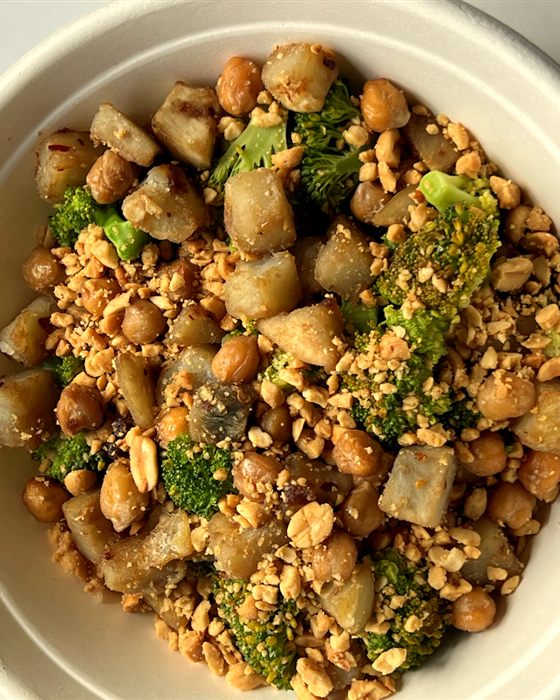
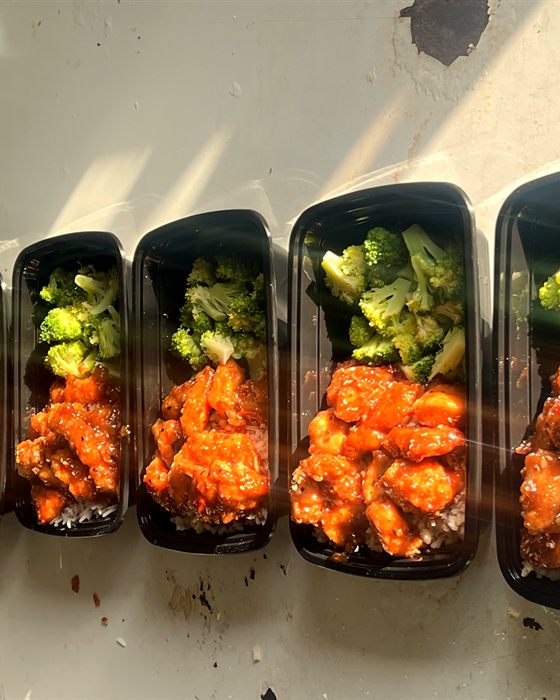
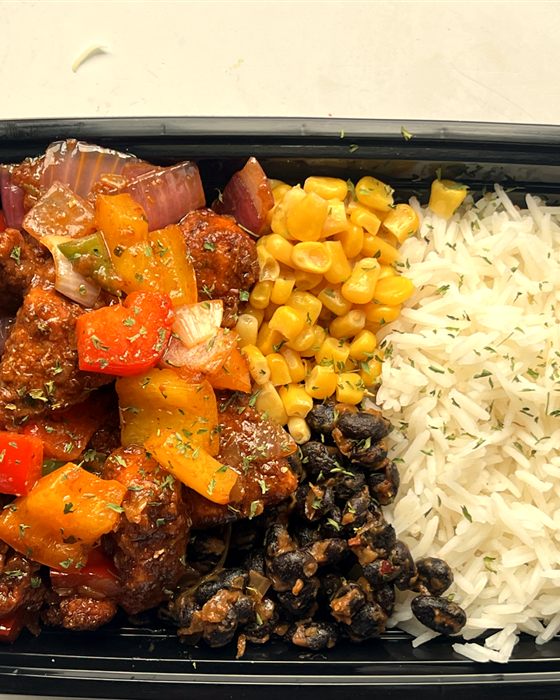
Return people here to the food from here, in a form that fits a Tuesday.
Not a heritage project. Not a lecture. Just local food made as convenient as the imported stuff, and made well enough that choosing it is not a sacrifice you make on principle.
Until local feels premium and imported feels beside the point. That is the whole job.